
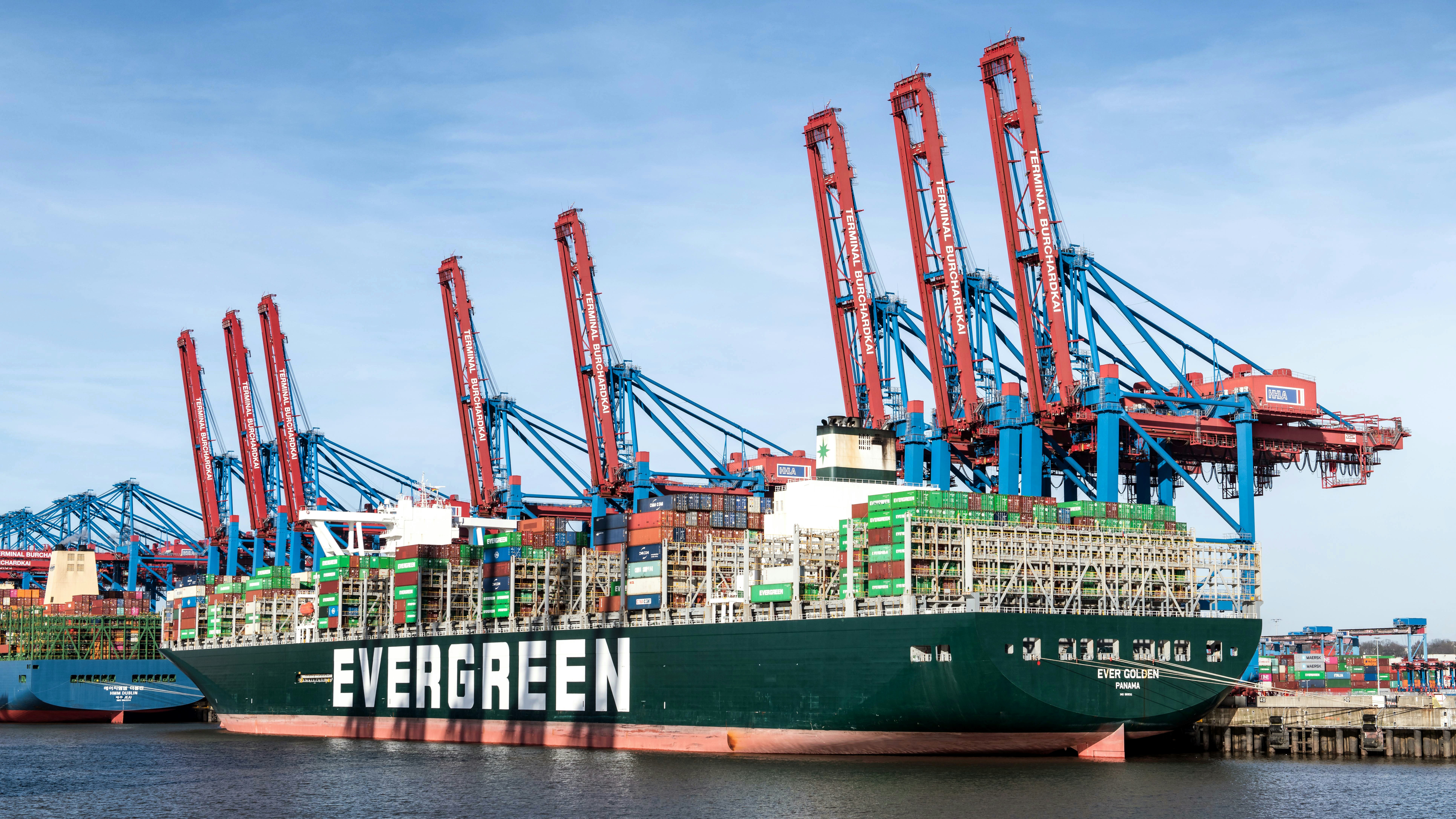
Are you wondering why your international shipping quote seems higher than usual this month? Bunker Adjustment Factor (or BAF for short) could be the cause.
This often overlooked line item can add to your costs and eat away at your profits. But you take steps to curb its impact on your margins.
In this article, you’ll learn what BAF is, how it’s calculated, why it changes and what you can do to manage it.
What is the Bunker Adjustment Factor?
Bunker Adjustment Factor, also known as Bunker Surcharge or Fuel Adjustment Factor, is a fuel surcharge that shipping carriers apply on top of their base rate.
It's applied on a per-container or per-unit basis to cover price fluctuations in marine fuel, known as bunker fuel in the industry. The rate varies by trade lane, carrier and current fuel price.
Maritime fuel costs are very volatile, meaning carriers can’t accurately price them at a fixed rate. If they tried, they’d either overcharge customers when fuel prices are low or significantly undercharge them when oil prices spike. BAF acts as a floating charge, giving carriers the wiggle room they need to offer a fair price while staying profitable.
Carriers first introduced BAF in the 1970s in response to the oil crisis. For decades, the Transpacific Stabilisation Agreement (TSA) standardised BAF rates by benchmarking the price of Brent crude oil. This changed in 2018, when Maersk resigned from the TSA, disbanding the agreement. Since then, carriers have set their own rates, but they are monitored by the European Commission to prevent price fixing.
BAF is only one of the freight charges and fees retailers are likely to encounter when shipping internationally. The good news is you’ll only encounter it when placing orders from foreign manufacturers. It shouldn’t impact the cost of shipping a parcel internationally.
How do you calculate BAF?
Carriers calculate by multiplying the fuel price by a trade factor, which is the average fuel consumption of a given route. Here’s the formula:
BAF = Fuel Price × Trade Factor
Carriers typically base the fuel element on the average price of Very Low Sulphur Fuel Oil (VLSFO) across key global bunkering ports.
The trade factor accounts for factors including distance and transit time, travel direction, vessel size and fuel efficiency, and trade imbalance on the route.
Carriers review and update BAF quarterly, with many publishing their calculations. In January 2026, for example, Maersk’s BAF was $461.54 per tonne of fuel.
What drives the price of BAF up and down?
The Bunker Adjustment Factor directly impacts your costs and margins as a retailer. Understanding the factors influencing BAF can help retailers anticipate price rises and plan accordingly.
Here are the main drivers:
Global oil prices
The global price of crude oil is the primary input of the BAF calculation and, therefore, its biggest variable. Geopolitical events like wars, production cuts and economic sanctions can cause rapid and dramatic swings. The war in Ukraine, for example, has caused significant volatility.
Environmental regulations
The International Maritime Organisation's IMO 2020 regulation, which came into force on 1 January 2020, reduced the permitted sulphur content of marine fuel from 3.5% to 0.5%. Carriers had to switch to more expensive low-sulphur fuels like VLSFO as a result, directly increasing BAF
Supply chain disruptions
Events that alter shipping routes or increase transit times raise fuel consumption and therefore BAF. These are often linked to geopolitical events, such as the disruption to Red Sea shipping routes in 2023 and 2024, which forced many vessels to reroute around the Cape of Good Hope, added thousands of miles to Asia-Europe voyages and significant increases in BAF charges.
Route imbalances
Routes where vessels regularly sail heavily loaded in one direction but lightly loaded in the other are inherently less fuel-efficient per unit. These imbalances feed into the trade factor and can push BAF higher on certain lanes.
How to manage BAF price increases?
While retailers can't control the price of oil, there are practical steps you can take to reduce the impact of BAF on your international shipping costs.
- Understand every surcharge before you commit. When comparing shipping quotes, don't look at the base rate alone. Ask for a full breakdown, including BAF and any other surcharges. Some carriers will bundle these into an all-in rate, which makes budgeting more straightforward, even if the headline figure looks higher.
- Work with a carrier-agnostic shipping partner. Using a single carrier locks you into their BAF rate structure. A carrier-agnostic partner (one that works with multiple shippers) can route your shipments through the most cost-efficient option at any given time, taking into account current BAF rates, transit times and reliability.
- Consolidate shipments where possible. Sharing container space through Less Than Container Load (LCL) shipping can reduce your per-unit charge.
- Factor BAF into your pricing and landed cost calculations. Build BAF into your international pricing model as a variable cost with a buffer rather than assuming it will stay flat. Review it quarterly alongside your shipping costs and update customer-facing prices accordingly.
Manage shipping costs with Pro Carrier
Understanding BAF is just one piece of the cross-border shipping puzzle. The broader challenge for UK retailers is managing the full complexity of international freight. Choosing the right carriers for each market, navigating duties and customs and providing localised delivery experiences, all while keeping costs under control can feel like a never-ending challenge.
That’s why we focus on taking the stress out of cross-border shipping at Pro Carrier. Our dedicated and highly experienced team manages the entire process from carrier selection to paperwork and customs. We’ll keep costs down and your goods moving, so you can focus on growing sales at home and abroad.
Want to learn more about the costs and considerations involved in international shipping? Read our guides on shipping to the UK from China, understanding customs when sending goods abroad and sending goods to Europe under IOSS.
Or if you’re ready to take the stress out of cross-border shipping, then speak to an expert today.