
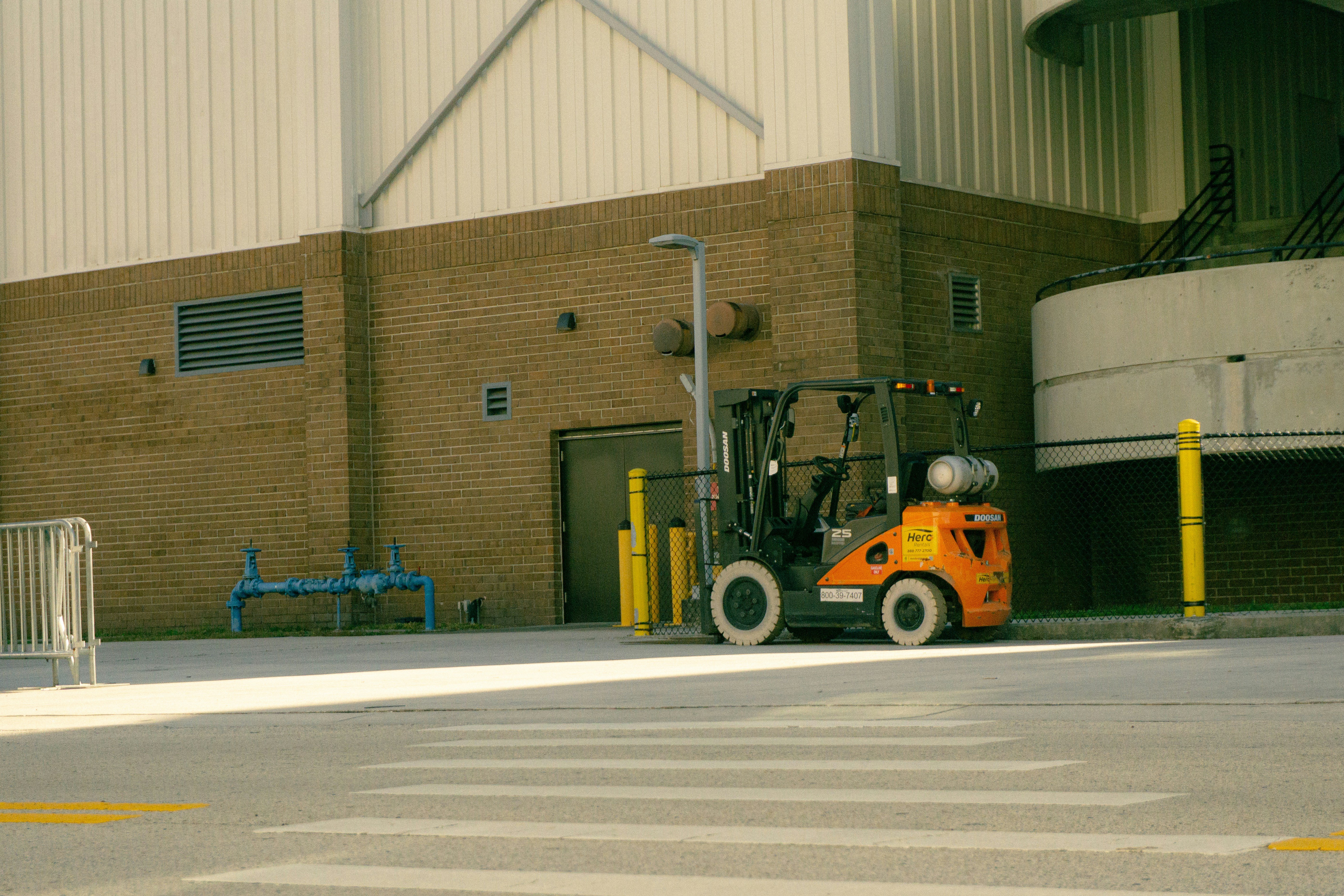
Delivered at Place Unloaded (DPU) is one of the 11 Incoterms developed by the International Chamber of Commerce to define the responsibilities of buyers and sellers in international shipping.
DPU is one of the newer Incoterms, introduced in 2020 to replace DAT, and the only Incoterm that puts the seller on the hook for unloading goods at the destination.
In this article, we explain what DPU means, how it works, the benefits and challenges to buyers and sellers, and how it compares to other Incoterms. If you’re shipping internationally and weighing up your Incoterm options, you’ll have everything you need to make the right decision.
What does DPU mean?
DPU stands for Delivered at Place Unloaded. It means the seller must deliver and unload goods at a named destination agreed with the buyer.
When you ship under DPU, the seller arranges and pays for everything to get the goods to the destination and unloads them there. They’re also responsible for loss or damage during transit. Only after unloading does responsibility shift to the buyer.
DPU sits in the “D-group” of Incoterms (alongside DAP and DDP). All of these terms require the seller to assume responsibility until the goods are delivered to a named destination. But only DPU has an unloading requirement.
DPU vs DAT: What changed in 2020?
If you’ve come across Incoterms before, you may remember DAT (Delivered at Terminal). DPU replaced DAT in 2020, but the change is more than cosmetic.
Under DAT, the named place of delivery had to be a terminal such as a port, a container yard or an airport. DPU has broadened this to include any agreed location, whether that’s a warehouse, a transit depot or anywhere the buyer operates.
The International Chamber of Commerce made the change because retailers and freight forwarders were increasingly using DAT for non-terminal destinations. DPU accurately reflects how buyers and sellers were actually using the rule.
An example of DPU in action
Let’s look at a hypothetical example to clarify the characteristics of DPU.
Imagine you’re a UK furniture manufacturer who is shipping a container of desks to a corporate customer in Frankfurt. You agree to ship the goods DPU to the company’s warehouse in the city centre.
Here’s what happens:
- You package the goods ready for export.
- Your logistics partner clears customs and arranges ocean freight to Hamburg and road freight to Frankfurt.
- When your goods arrive at the buyer’s warehouse, your logistics partner unloads the desks onto the loading dock.
- The risk and responsibility transfer to your German buyer.
- The buyer is responsible for paying all import duties, taxes and customs clearance fees.
The seller carries all the risk and cost up to and including unloading. The moment the goods are unloaded at the named place, that risk transfers to the buyer.
So if a desk gets damaged during unloading, you are liable. If it's damaged in the warehouse the next day, that's on your buyer.
Insurance isn't compulsory under DPU, but given the seller carries risk for most of the journey, it’s sensible to take out cover.
When should you use DPU?
Delivered at Place Unloaded makes sense in the following scenarios:
- The seller (or its logistics partner) has the equipment and expertise to unload at the destination
- The buyer doesn’t have the equipment to unload safely
- Both the buyer and seller want a clean handover at a specific point
- The buyer can handle import clearance and duties efficiently
In general, shipping under DPU makes sense when you’re dealing with bulky or complex cargo that requires specialised handling. It can be a major USP for sellers of machinery and other industrial equipment, given the difficulties buyers may face in receiving such deliveries.
Risks and considerations to consider
There are a few things sellers should consider before agreeing to DPU terms:
- Unloading liability. You're responsible for safe unloading. If you don't have a trusted local partner with the right equipment, you're exposed.
- Equipment availability at the destination. Before agreeing to DPU, confirm which unloading kit will be available and who will operate it.
- Customs alignment. Because the buyer handles import clearance, any customs delays fall to them. But they still affect your delivery promise. Make sure the buyer has an EORI, a customs broker and the documentation they need before goods arrive.
- Insurance. Unlike CIP and CIF, DPU doesn't require the seller to insure the goods. But you carry the risk for almost the entire journey, so cover is strongly recommended.
If you aren’t sure DPU is right for you, several alternative Incoterms might be a better fit.
DPU vs DAP: What's the difference?
This comparison trips most people up. DPU and DAP look almost identical on paper:
- DAP (Delivered at Place): Seller delivers goods to the named place, ready for unloading. The buyer unloads.
- DPU (Delivered at Place Unloaded): Seller delivers goods to the named place and unloads them. The buyer then takes over.
The difference comes down to the unloading process. If you’re shipping containers or palletised freight to a buyer who doesn't have a forklift or loading dock, DPU might be the only practical choice. If your buyer has the kit to unload themselves, DAP is usually cheaper and simpler.
DPU vs DDP
DDP (Delivered Duty Paid) goes a step further than DPU. Under DDP, the seller is responsible for everything, including import clearance, duties and taxes, all the way to the buyer's door.
For UK retailers shipping to consumers in the EU, DDP is usually the better choice because it removes surprise customs bills that can result in returns. For B2B shipments where the buyer has its own customs broker, DPU can still be a cleaner and cheaper option.
Get a DPU quote with Pro Carrier
DPU Incoterms work well when the seller has the infrastructure to deliver and unload at the destination, giving buyers a clean handover at an agreed location.
Finding the right Incoterm for your shipment isn't always obvious, however. That's why it pays to work with a trusted partner like Pro Carrier. Our reliable international freight forwarding service is backed by innovative technology and customer service excellence.
Take Horizon, our all-in-one supply chain platform, for example. It gives you complete visibility into your shipments, letting you track them wherever and whenever you like. We also ensure smooth passage through customs when you ship DPU, thanks to our proactive service that works two weeks ahead of schedule.
Speak to one of our experts today to learn how to ship internationally using DPU or another Incoterm.